
Investment products are not insured by the FDIC, are not deposits, and may lose value.

Protect What You've Built – and Ensure It's Managed According to Your Wishes
In simple terms, a trust allows a trustee to hold and manage assets for the benefit of someone else – providing structure, accountability, and peace of mind.
Understanding Trusts
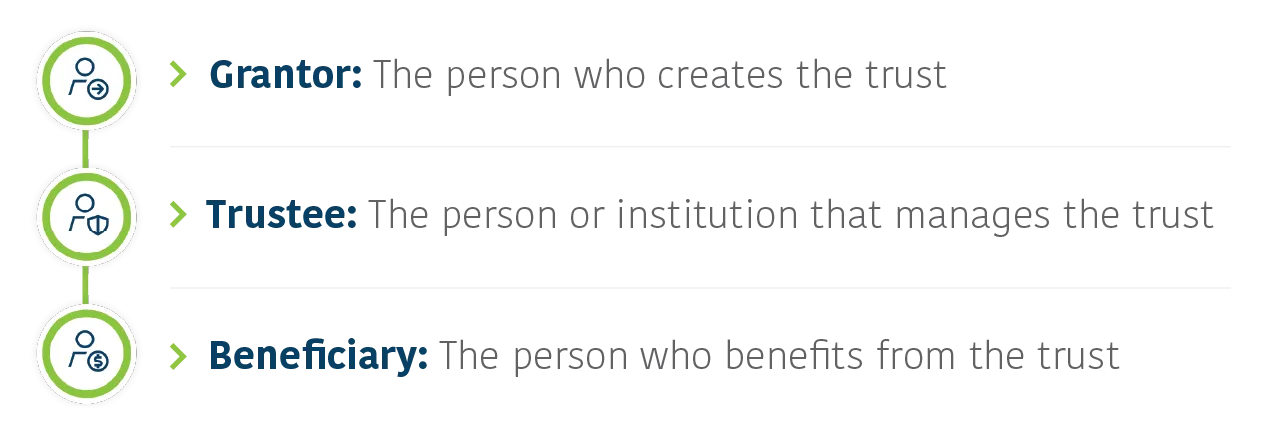
A trust is a legal arrangement in which one party – the trustee – holds and manages assets on behalf of another – the beneficiary (the person who creates the trust is the grantor). A trust doesn’t replace your will; it works alongside it. Together, they form the foundation of a thoughtful estate plan.
Why Families Use Trusts
- Avoid Probate – keep your family’s affairs private and moving quickly
- Maintain Control – set the terms for how and when assets are distributed
- Protect Loved Ones – from creditors, divorce settlements, or their own spending habits
- Support Family Members with special needs – without jeopardizing government benefits
- Tax Advantages – depending on their structure, trusts can provide meaningful estate and income tax benefits
- Stability and Continuity – a corporate trustee backed by a team, not one person

Serving as Your Trustee or Executor
Hills Bank handles fiduciary appointments where the bank is named trustee or executor under an estate plan – managing trust assets, administering estates, making distributions, and ensuring your wishes are followed exactly as you intended.

Disclosure
Tax strategies and concepts discussed are provided for general informational purposes only and are not intended as tax advice. Consult your CPA or tax advisor before implementing any tax-related strategy.